Understanding inclusive education and barriers to learning in the ECD classroom
When a child struggles to follow instructions, participate in an activity, sit through story time or communicate with others, it can be easy to focus on the behaviour we can see.
But inclusive education in ECD asks us to look a little wider. Instead of only asking, “Why is this child struggling?”, we can also ask, “What might be making it difficult for this child to learn or participate?”
That small shift can change the way we respond to children in our ECD classrooms.
Okay, so what is a barrier to learning?
A barrier to learning is something that prevents a child from participating effectively in learning and development. Importantly, that barrier does not necessarily sit within the child.
South Africa’s approach to inclusive education recognises that barriers can exist within the child, their family, the school or the wider community. They can include disability or impairment, language differences, teaching methods, limited resources, socio-economic circumstances, negative attitudes and discrimination.
Imagine, for example, a child who regularly watches the other children before beginning an activity. There could be many reasons for this. Perhaps they did not hear the instruction clearly. Perhaps they are still learning the language being used in the classroom. Perhaps a visual demonstration would make the activity easier to understand.
What we observe is important, but it doesn’t always tell us why it is happening.
Look beyond the behaviour
The environment around a child matters too.
A child’s learning can be affected by relationships at home or school, communication between parents and teachers, access to resources and healthcare, community circumstances, language, discrimination, trauma or major changes in their life.
Bronfenbrenner’s ecological theory illustrates that children develop within a number of interconnected environments, from their immediate relationships with family, teachers and peers to the wider community and society. A barrier in any of these areas may affect learning and development.
For teachers, this means behaviour can be a useful signal to observe more closely, rather than an immediate reason to label a child.
Teachers observe, they don't diagnose
This is an important distinction.
ECD practitioners are not diagnosticians. A teacher should not decide from a set of behaviours that a child has ADHD, autism, dyslexia, a hearing impairment or another condition.
But teachers are in an incredibly valuable position to notice.
You see children learning, playing, communicating and interacting with others every day. You may notice that a child regularly struggles with particular instructions, becomes overwhelmed by certain activities, finds transitions difficult or participates much more successfully when an activity is presented differently.
These observations can be valuable. Educator observations and reports should therefore be factual and comprehensive, particularly because they may contribute to a professional assessment later.
The difference is between saying:
“This child has ADHD.”
and recording what you actually observe:
“During story time, the child regularly gets up, moves around the classroom and needs instructions repeated before beginning the next activity.”
One is a diagnosis. The other is useful information.
Could our thinking also create a barrier?
Sometimes the barrier isn’t a resource, an activity or something happening in a child’s life. It can also be the way adults think about what a child can or cannot do.
Negative attitudes and discrimination are barriers to learning. When we focus mainly on a child’s difficulties, make assumptions about their abilities or expect less from them because they learn or behave differently, we may unintentionally limit their opportunities to participate and develop.
A teacher might think:
“He can’t sit still, so he won’t manage this activity.”
“She doesn’t speak much, so she probably doesn’t understand.”
“This activity will be too difficult for him.”
Inclusive thinking encourages us to ask a different question:
“What does this child need in order to participate?”
Perhaps the child who struggles to sit still could take part while standing or have a movement break first. Perhaps the child who speaks very little can show their understanding through pictures, pointing or objects. Perhaps an activity that seems too difficult simply needs to be broken into smaller steps.
Changing the question from “Can this child do this?” to “How can I make it possible for this child to participate?” can change what happens next.
And sometimes the classroom can be the barrier
Our thinking influences how we teach, but the classroom itself can also make participation easier or harder.
If every child is expected to learn in exactly the same way, some children may struggle unnecessarily.
There are several systemic barriers within ECD settings, including activities that are too difficult or too easy, limited play-based learning, one teaching method for all children, limited language support, a shortage of learning materials and limited inclusive resources.
That means one of the most powerful questions a teacher can ask is: “What can I change?”
Perhaps an instruction can be shorter. A picture could accompany the words. A task could be broken into smaller steps. A child could sit closer to the teacher. An activity could include movement or objects children can touch. A quieter space could be available when the classroom becomes overwhelming.
Inclusive education in an ECD classroom is not about expecting every child to fit into one way of learning. It focuses on adapting teaching and the learning environment so that a wider range of learning needs can be met.
Focus on progress, not comparison
The same principle applies when we assess children.
The goal is to understand a child’s development, learning, strengths and areas where further support may be needed. For children with additional support needs, assessment should consider their individual abilities and the support they need to participate meaningfully.
Most importantly, look at the child’s progress over time rather than simply comparing them with other children.
Teachers can draw on observations, portfolios and anecdotal notes, as well as information from families or relevant professionals, to build a fuller picture of the child’s development.
10 things teachers can do
If you think a child may be experiencing a barrier to learning:
- Check your own assumptions and expectations.
- Observe before making conclusions.
- Write down what you actually see and hear.
- Look for patterns over time.
- Consider what might be happening around the child.
- Ask what you can change in your classroom.
- Try different ways of teaching and giving instructions.
- Focus on strengths as well as challenges.
- Communicate with the child’s family.
- Seek appropriate professional guidance when needed.
Inclusive education doesn’t begin with having all the answers. It begins with noticing, adapting and giving every child a meaningful opportunity to participate and learn.
Inclusive education in ECD: quick questions
What is inclusive education in ECD?
Inclusive education recognises that children have different strengths and learning needs. Instead of expecting every child to fit into one way of learning, the focus is on adapting teaching and the learning environment so that children can participate meaningfully.
What is a barrier to learning?
A barrier to learning is something that prevents or makes it more difficult for a child to participate effectively in learning and development. Barriers may exist within the child, family, school, community or wider environment.
Can an ECD teacher diagnose a learning difficulty?
No. ECD practitioners are not diagnosticians. Teachers can play an important role by observing children carefully, keeping factual and comprehensive records and working with families and, where appropriate, relevant specialists.
Putting inclusive education into practice
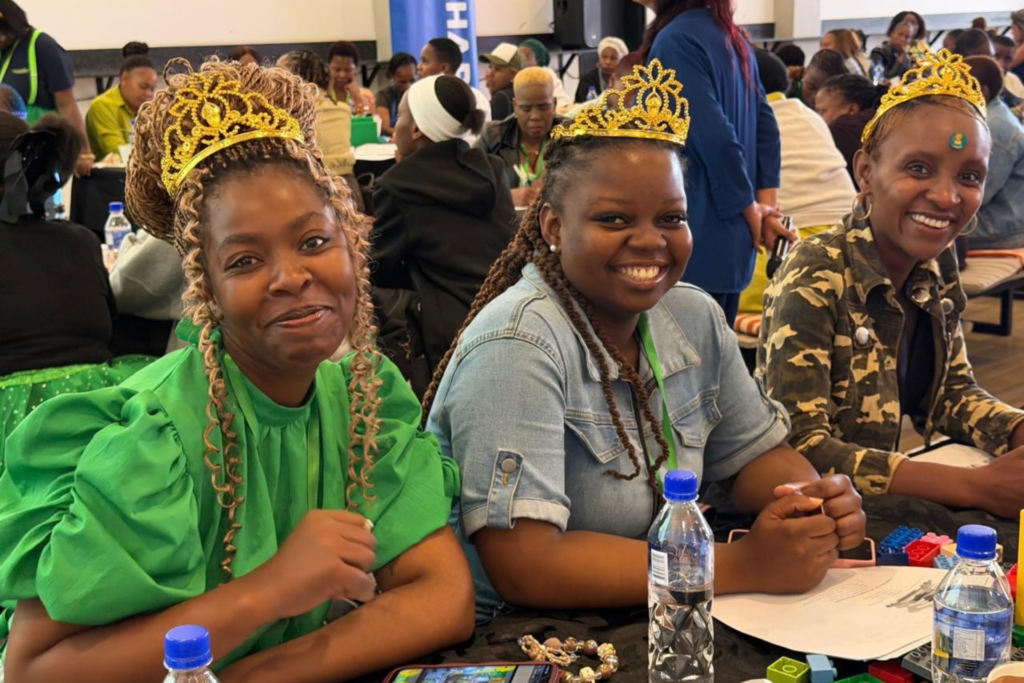
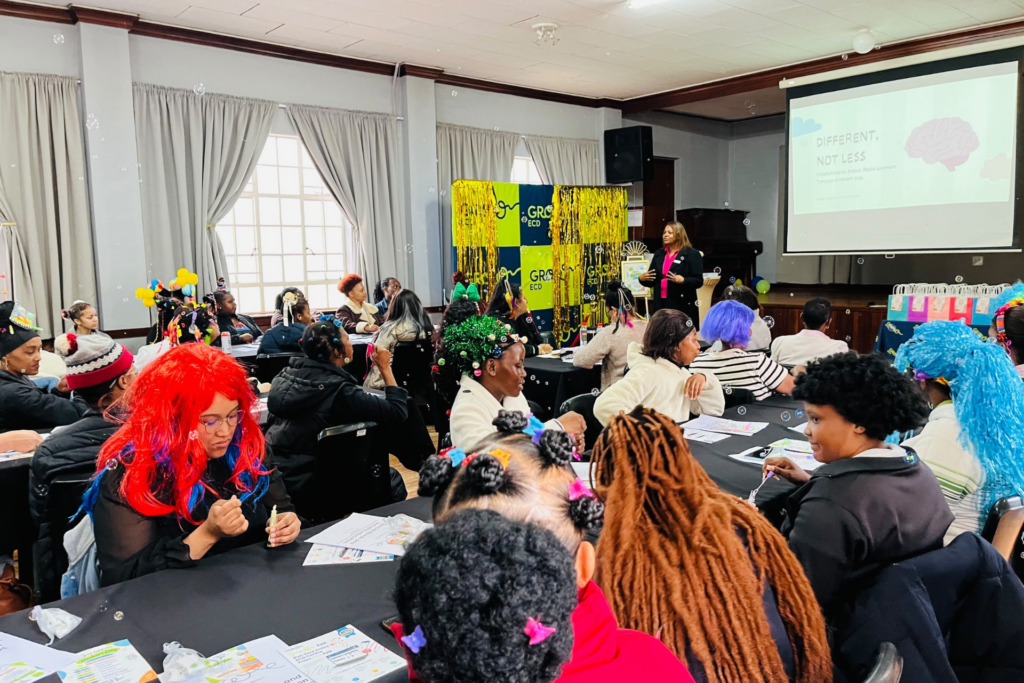
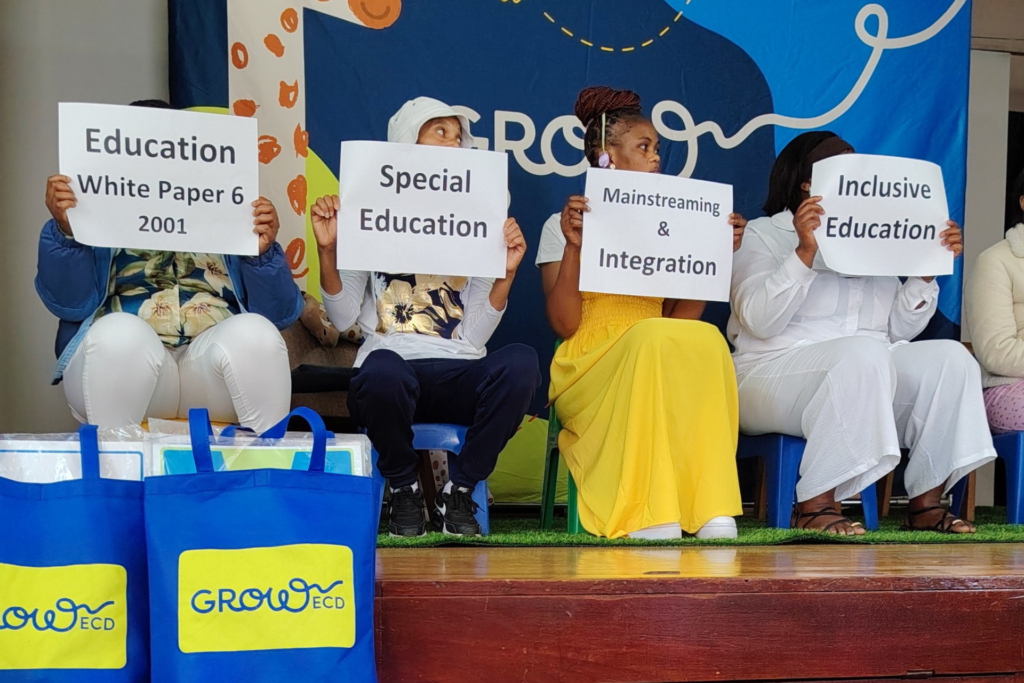
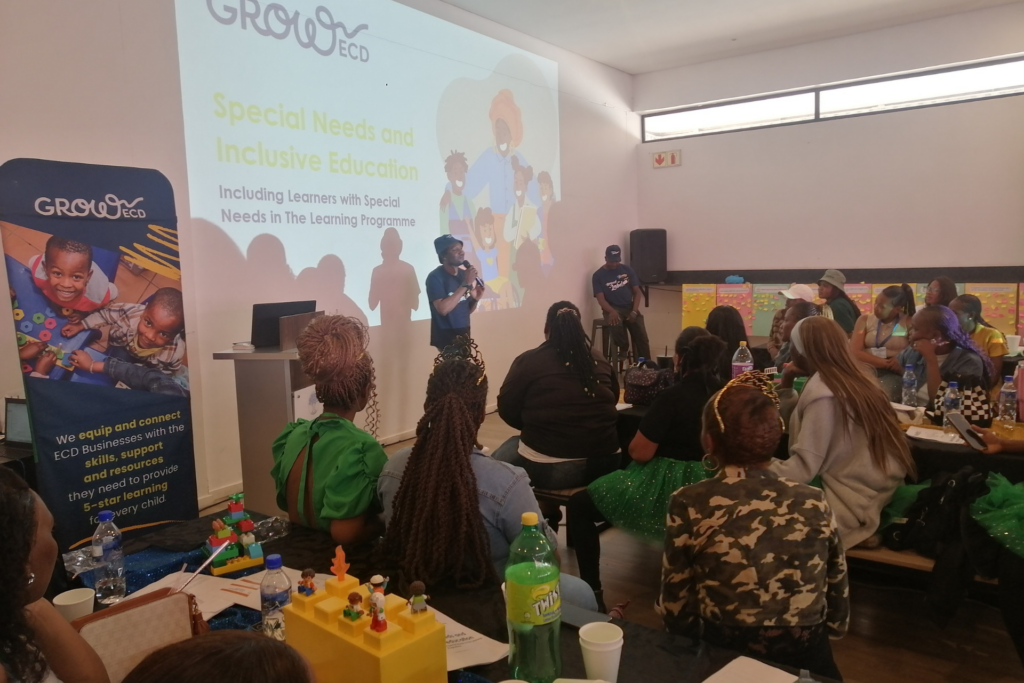
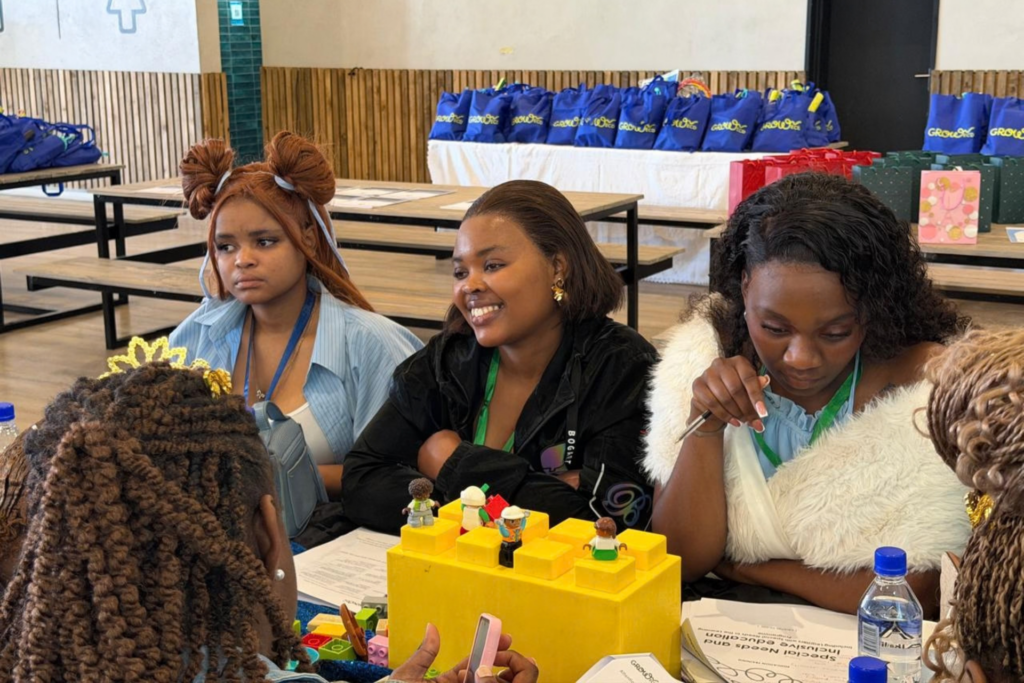
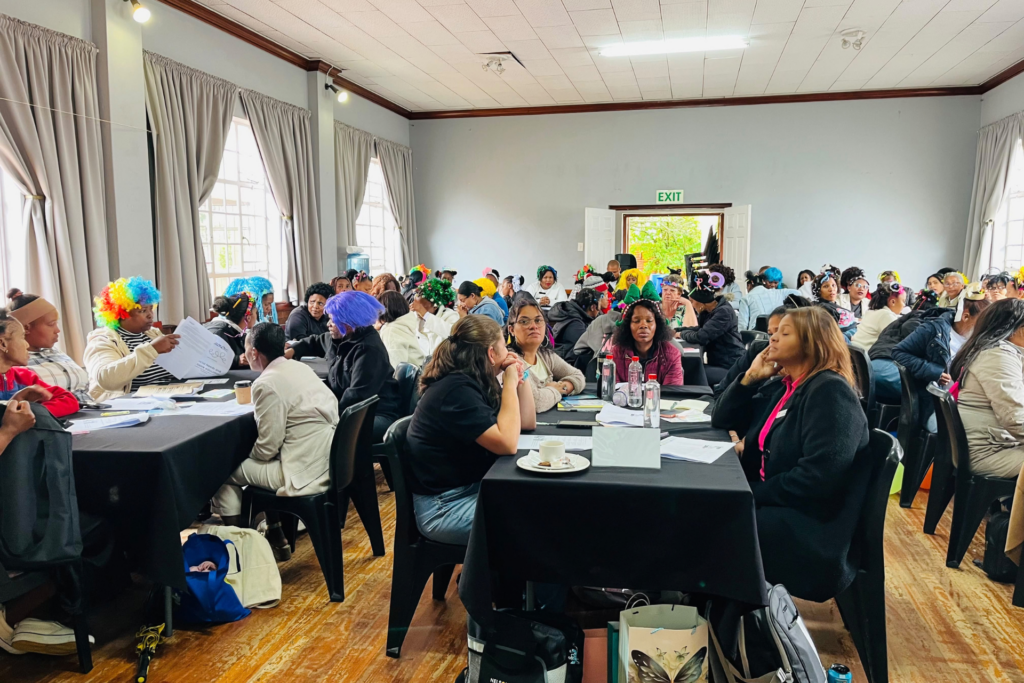
Recently, we hosted Inclusive Education training across our Grow ECD branches, giving teachers an opportunity to explore barriers to learning and practical ways to create more inclusive classrooms.
It was a chance to learn, share experiences and think differently about how we can give every child a meaningful opportunity to participate, learn and grow.
Here are a few moments from the training.